Varicose veins are a common yet often misunderstood condition affecting millions of Americans. These bulging veins are more than a cosmetic concern. They can cause discomfort, impact quality of life and signal underlying vascular problems.
The physicians at Premier Health Group are vein health specialists. We use experience, skill and advanced, minimally invasive treatments to address vascular issues. Join us as we uncover the symptoms, causes and best treatments for varicose veins.
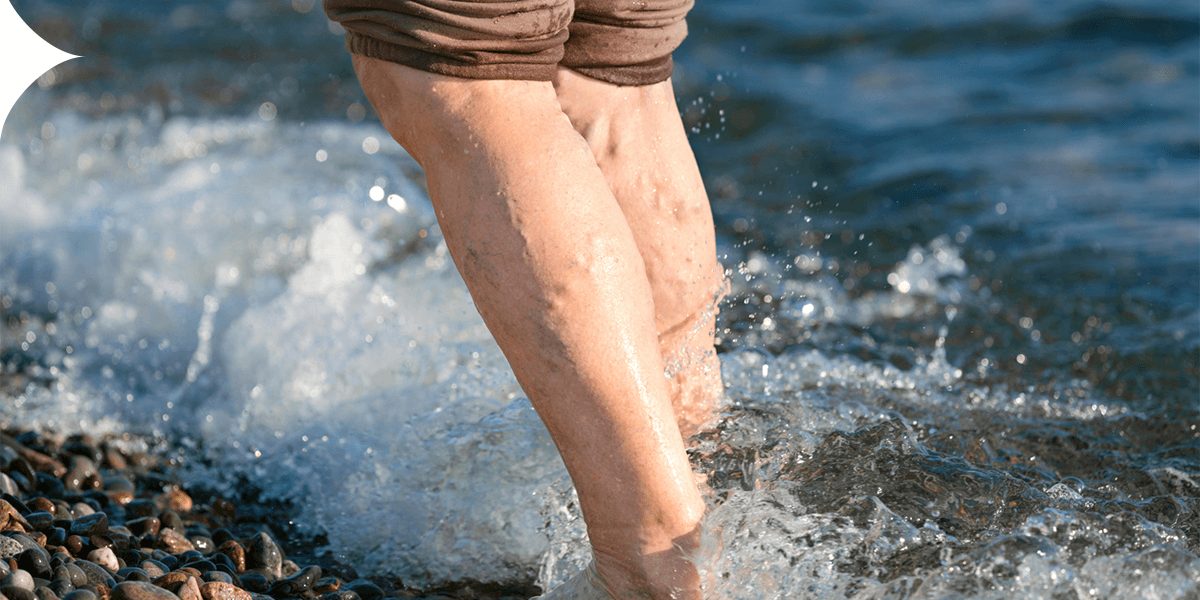
Varicose veins are swollen, twisted blue or purple veins below the skin’s surface. They often appear on the legs. This chronic venous insufficiency disorder is characterized by impaired blood flow. If you experience this condition, you’re not alone — it affects around 33 million adults in the United States.
Recognizing the symptoms of varicose veins can help prevent serious consequences. While some experience no discomfort, others face significant physical challenges. Here are the key signs to watch for:

One-way valves that control blood flow direction can become damaged or weak. When this happens, blood may pool and flow in the wrong direction, causing the veins to swell. Reasons for weakened vein valves include aging, prolonged standing, excess weight and hormones.
While anyone can develop varicose veins, certain factors can increase the risk:
Left untreated, varicose veins can cause more serious complications, like blood clots. They also increase the threat of conditions like deep vein thrombosis (DVT) or pulmonary embolism. DVT refers to clots forming in the deep veins of the legs. If a clot breaks off, it can travel to the lung and cause a pulmonary embolism, blocking blood flow.
Varicose vein medical procedures range from compression therapy to sealing the affected veins. Premier Health Group offers the best treatment for varicose veins using advanced techniques. Our treatment options include:
This minimally invasive procedure uses high-frequency radio waves to seal damaged veins. After sealing, healthy veins restore normal blood flow, alleviating discomfort. RFA has many benefits, including minimal pain, little scarring and a short recovery.
Sclerotherapy is a cosmetic treatment for spider veins that reduce their appearance. Injecting a solution causes the vein to scar, forcing the blood through healthy veins. Over time, the treated vein fades. Most patients see quick and lasting results without scarring.
This form of sclerotherapy injects Varithena™ Foam into faulty veins to close them. The procedure takes less than an hour, and you can return to normal activities on the same day.
Compression improves blood flow and reduces swelling for effective varicose veins pain relief. Elasticated wraps prevent blood from pooling. Studies show that compression can mitigate chronic venous insufficiency by helping blood flow back to the heart. This treatment also helps heal ulcers and prevent DVT.
It might surprise you to learn that your insurance may cover varicose vein treatments. Even spider vein cosmetic treatment could qualify if it addresses underlying health issues. Understanding your benefits can help you explore options without worrying about out-of-pocket costs.
Adopting simple, effective daily habits can lower your likelihood of varicose or spider veins. Here are key tips to help you maintain healthy circulation:
Varicose veins can affect your confidence and physical well-being. Luckily, various treatment options are available to improve your quality of life. Premier Health Group is a physician-owned medical center specializing in treating venous disorders, serving New York and New Jersey.
Let our specialists create a customized plan to restore your confidence and improve your vascular health. Take the next step toward healthier, pain-free legs. Schedule your consultation with our experts to explore treatment options tailored to your needs.